When you walk through a home in Dix Hills, NY, you're often stepping into a house built decades ago. These solid, well-constructed properties have character and charm. Many feature fireplaces that residents cherish during the cooler months. But time takes a toll on chimney components, especially dampers. If you haven't thought about your chimney damper in a while, fall is the ideal moment to assess whether replacement makes sense before the heating season arrives.
The damper in your Dix Hills home serves a critical function: it controls airflow through your chimney when the fireplace isn't in use. An older or deteriorating damper fails to seal properly, allowing warm air to escape up through the flue during winter. On Long Island, where oil heat and fireplaces work together to warm homes through cold months, that escaping heat represents wasted energy dollars. Homeowners in Dix Hills frequently report feeling drafts near their fireplace or noticing inconsistent room temperatures. Often, a worn damper is the culprit behind these comfort problems.
Two main damper types exist: throat dampers and top-sealing models. A throat damper sits just above the firebox, inside the chimney. It operates from below and relies on metal-to-metal contact to create a seal. These have been standard in homes for generations. The challenge with throat dampers is their location and design limitations. They're harder to access for maintenance, and their sealing ability degrades as metal warps or corrodes over time. Residents in Dix Hills dealing with older fireplaces frequently encounter throat damper problems that compound each heating season.
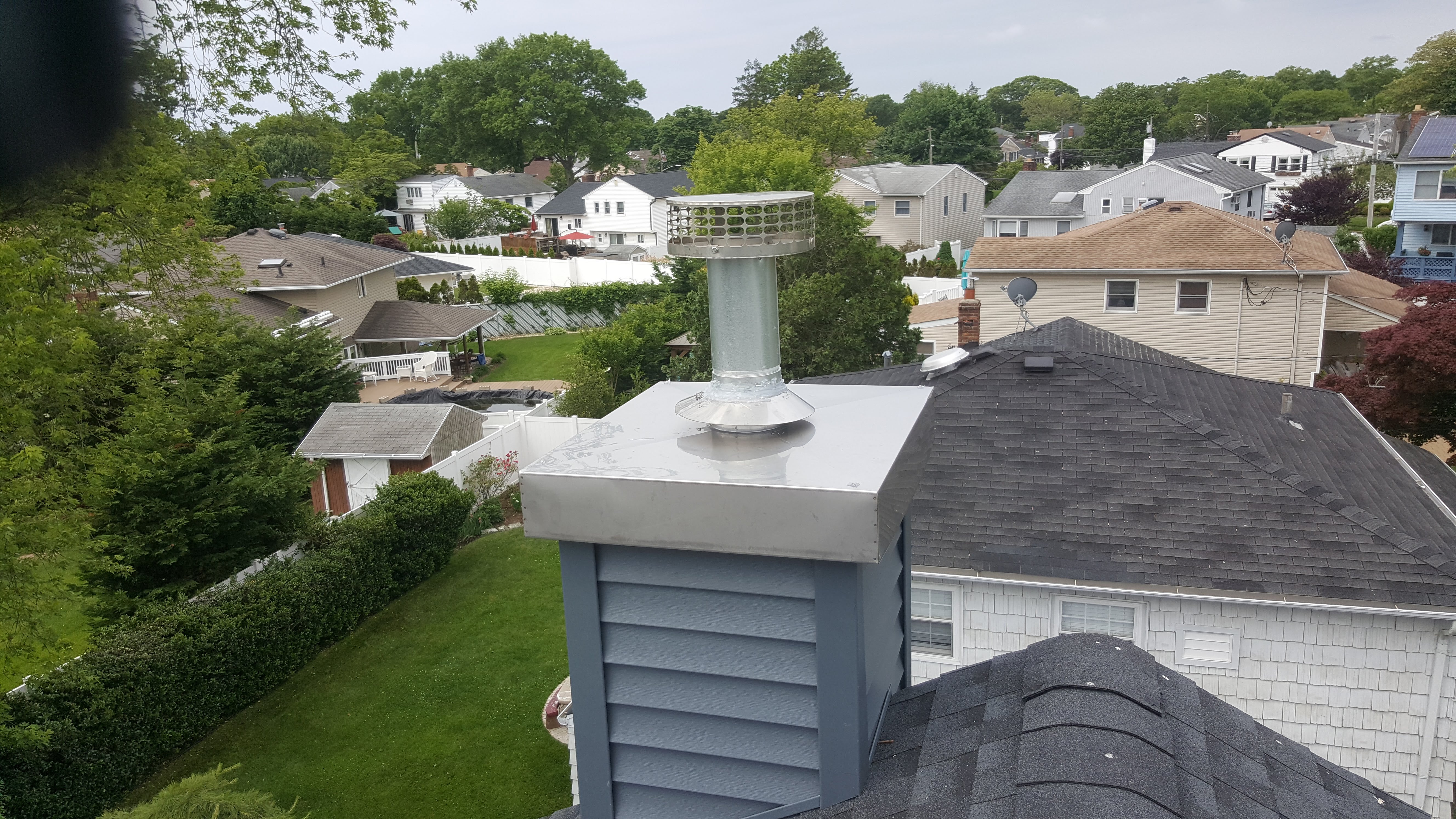
Top-sealing dampers represent a modern advancement that addresses these shortcomings directly. Instead of sitting inside the chimney, a top-sealing damper mounts at the chimney crown, right at the flue opening. This design creates a complete weather-tight closure at the highest point of your chimney. When closed, it prevents all conditioned air from escaping through the flue. The seal is mechanical and reliable, operating from a handle or chain that extends down into the firebox. Homes on Long Island benefit enormously from this straightforward yet effective upgrade.
The energy efficiency gains from installing a top-sealing damper in your Dix Hills home are measurable and immediate. When you heat your house during winter, warm air naturally rises. If your throat damper doesn't seal completely, that heated air travels straight up and out through the chimney. A top-sealing damper stops this loss at the source. Homeowners report noticing warmer rooms near the fireplace and more consistent indoor temperatures throughout their homes. The heating system doesn't need to work as hard to maintain comfortable conditions. Over a full winter season on Long Island, this efficiency translates to real savings on heating costs.
Draft problems often seem mysterious until you understand what's happening. Cold air and moisture can enter through a poorly sealed throat damper even when your fireplace sits unused. Wind pressure on your roof can push air down the chimney, creating cold drafts in the room below. Dix Hills experiences coastal weather influences from nearby Long Island Sound that can intensify wind effects on chimneys. A top-sealing damper eliminates this issue entirely. The seal happens at the weathering surface of your chimney, where it meets the elements. No air, moisture, or debris can bypass that barrier, regardless of outdoor conditions.
The installation process for a top-sealing damper is straightforward and doesn't require extensive work inside your home. A technician accesses your chimney from the roof and removes the old throat damper from inside the flue. The new top-sealing unit attaches securely to the chimney crown using weatherproof fasteners. An operating cable or handle runs down through the flue and connects to a lever in your firebox. You control the damper the same way you would a traditional model. The entire process is cleaner and less disruptive than many homeowners expect. Residents in Dix Hills appreciate that the installation can often be completed in a single visit.
Homes in Dix Hills built in the 1970s and 1980s frequently contain original throat dampers showing significant wear. Cast iron dampers rust and corrode over forty years of exposure to moisture and heat cycles. Steel dampers warp as metal expands and contracts with temperature swings. Ceramic or tile dampers crack under stress. A failing damper doesn't fail suddenly; it degrades gradually. You might notice increasing drafts, more dust near the fireplace, or difficulty keeping rooms warm. These warning signs tell you that your damper seal is compromised. Replacing it before winter truly begins prevents the full impact of these problems from hitting you during the cold months.
Timing matters when you're planning a damper replacement on Long Island. Fall is ideal because heating season approaches rapidly. By scheduling your replacement now, you avoid the January thaw rush when every chimney company is booked solid. You'll also enjoy the efficiency benefits immediately when you actually need heat. Dix Hills homeowners who wait until December often find themselves uncomfortable while waiting for installation availability. The work takes minimal time, making early fall the perfect window. Getting ahead of the season means confidence and full access to your heating system's efficiency.
Douglas covers all of Dix Hills and knows the neighborhood streets well. Long Island homes in Dix Hills vary considerably — from Cape Cods and split-levels built in the 1950s to more recent construction — and Douglas is experienced with every chimney configuration found in the area.
DME Maintenance has served homeowners on Long Island since 2001. We're a licensed chimney service company with deep roots in our community and extensive experience with the specific chimney and fireplace challenges that Long Island homes face. DME Maintenance understands the regional weather patterns, the typical construction methods used in homes throughout Dix Hills and the surrounding area, and the performance issues that arise from Long Island's coastal climate. When you call us about damper replacement, you're talking to people who know your neighborhood's homes intimately. We've helped hundreds of families improve their fireplace efficiency and comfort.
If your Dix Hills home has a fireplace you love, don't let a deteriorating damper diminish that experience. The solution is accessible, effective, and available right now. Contact DME Maintenance at 631-316-0622 to schedule your chimney damper replacement before the heating season demands your full attention. DME Maintenance will assess your current damper, explain your options, and handle the installation professionally. Fall is the season to act. Call us today and reclaim the warmth and efficiency your fireplace should provide.