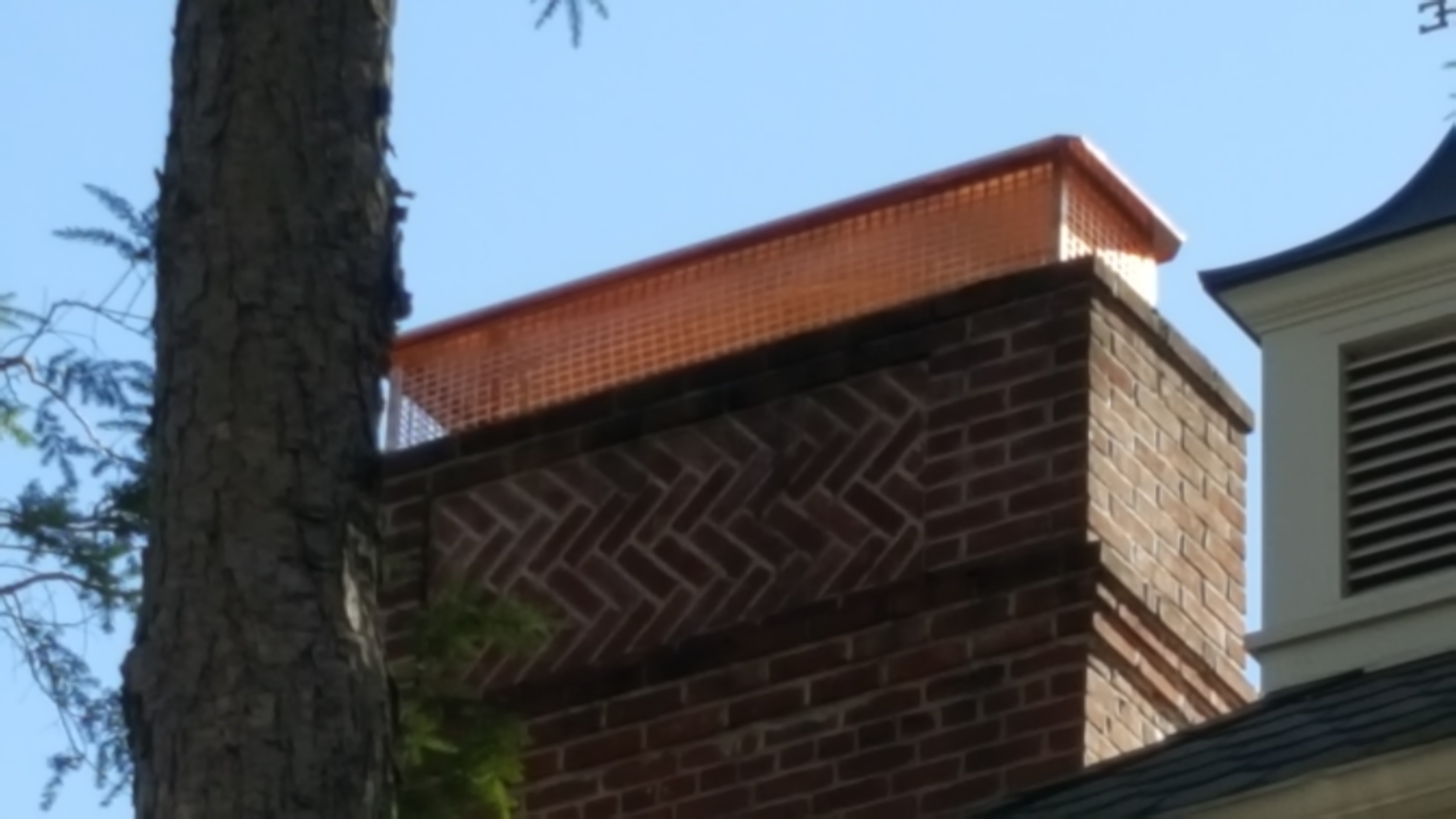
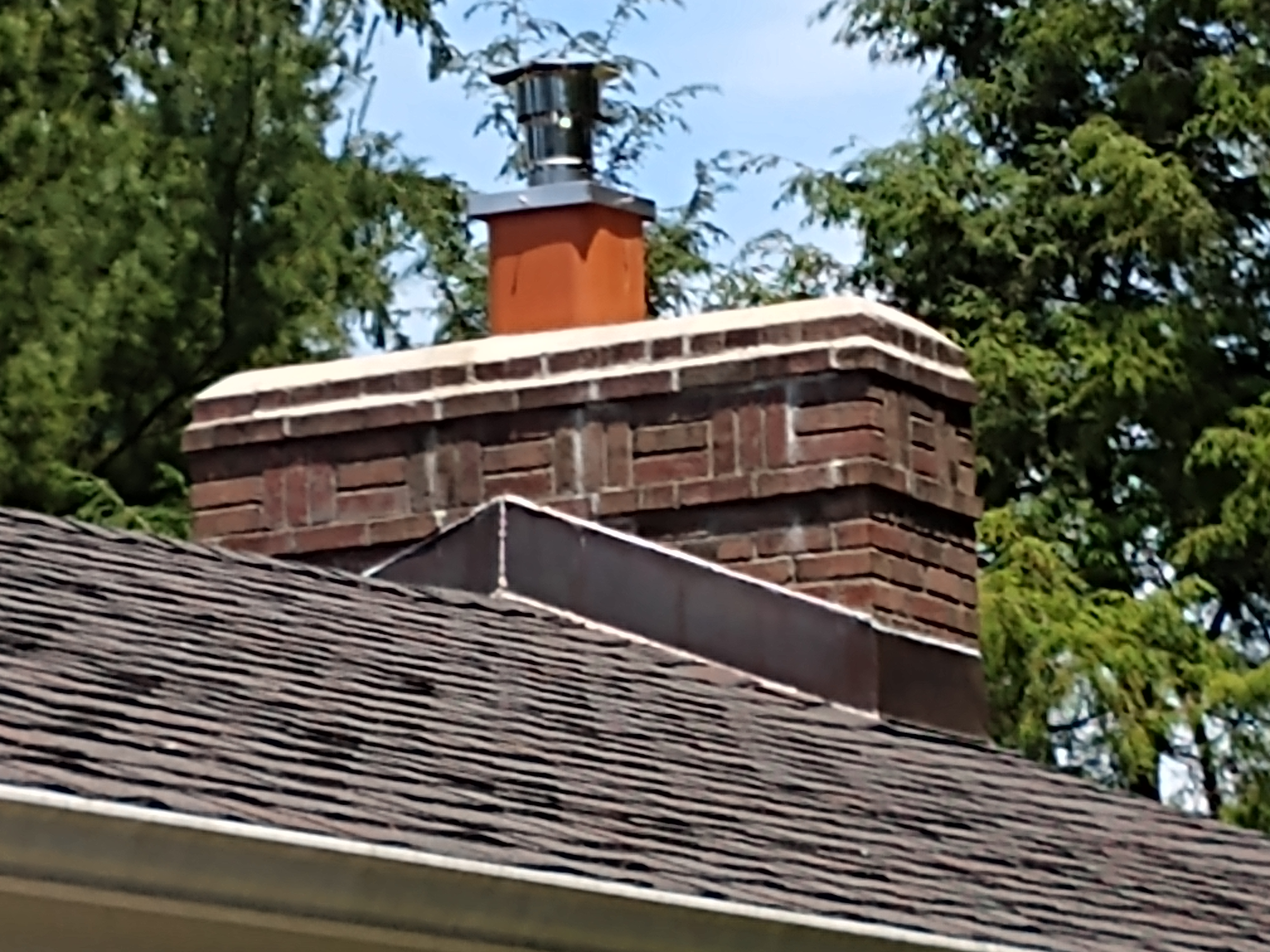
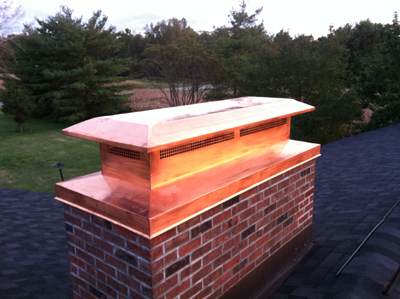
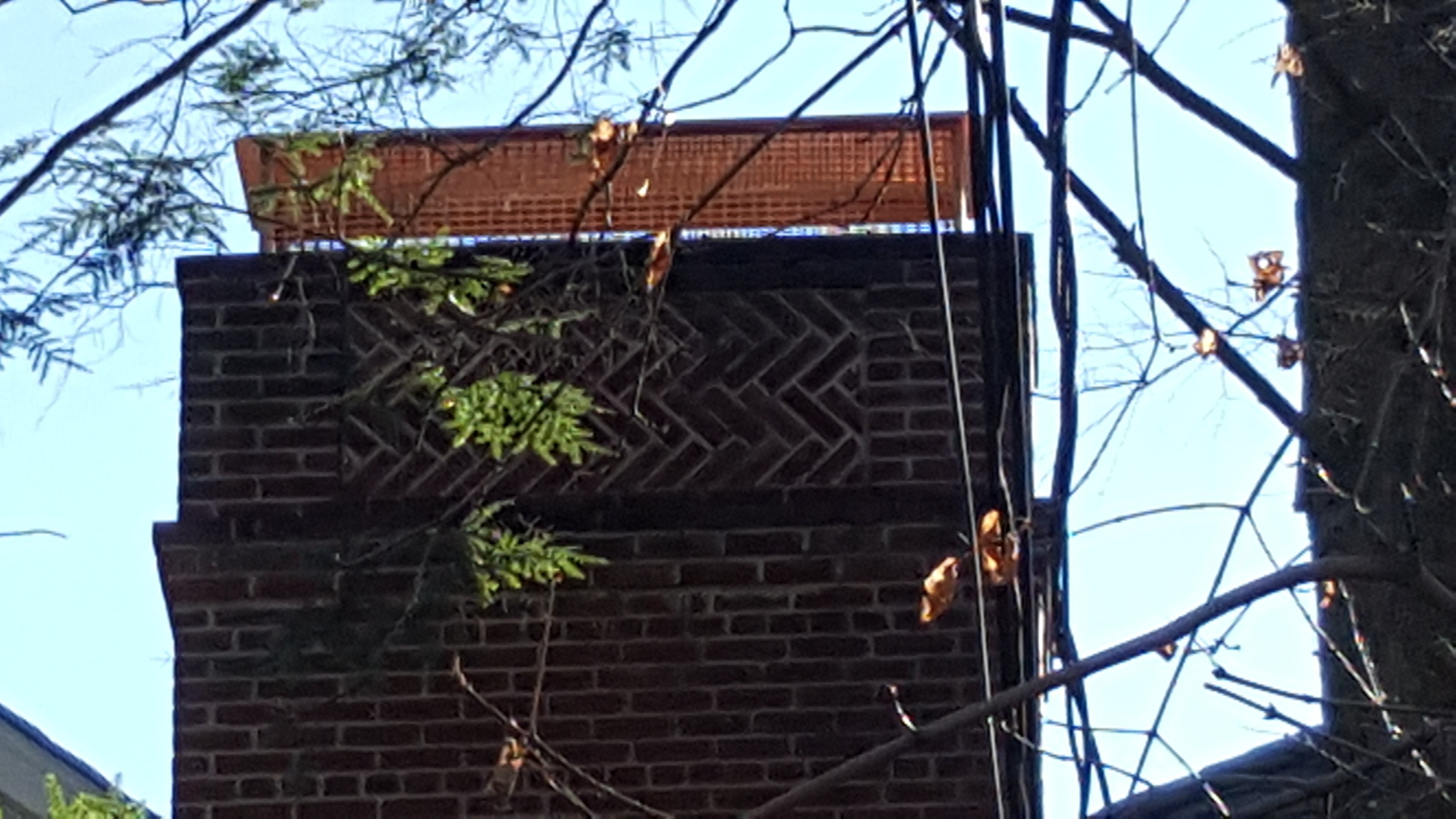
Homes in Dix Hills face a particular set of challenges for chimney maintenance. The area's mix of older colonial and ranch-style properties, many built in the 1960s and 1970s, often came equipped with basic chimney systems that have weathered decades of Long Island weather. Over time, the chimney cap—a small but critical metal covering at the top of your flue—becomes worn, corroded, or damaged. When that happens, your entire chimney system becomes vulnerable to the elements. Douglas Eberling has been helping Dix Hills homeowners address this problem since 2001, and we've seen firsthand how much damage a failed chimney cap can cause.
A chimney cap serves four essential functions for homes on Long Island. It prevents rainwater from pouring directly into your flue, which can lead to rust, deterioration, and costly interior damage. It keeps birds, raccoons, squirrels, and other wildlife from entering your chimney and building nests. It stops leaves, twigs, and storm debris from accumulating inside the flue. Finally, it prevents burning embers from flying out and landing on your roof or nearby vegetation during active fires. For Dix Hills residents who rely on oil heat or fireplaces during winter months, this protection matters tremendously. Without a functioning cap, you're basically leaving your chimney open to damage.
Weather patterns on Long Island make chimney cap replacement especially important. The region experiences nor'easters, salt spray from Long Island Sound, freeze-thaw cycles, and heavy rainfall throughout the year. In Dix Hills, where homes often sit elevated on their properties, chimneys are fully exposed to wind and moisture. After severe storms, we regularly receive calls from homeowners noticing water stains on ceilings, musty odors in living rooms, or signs of animal entry. Many of these problems trace directly back to a compromised chimney cap. The seasonal nature of these issues means cap replacement isn't just a spring or fall task—it's a year-round concern for property owners who want to stay ahead of damage.
Animal intrusion through damaged chimney caps creates problems that go beyond simple annoyance. When raccoons, squirrels, or birds nest inside your flue, they block airflow and create fire hazards. Nesting materials catch fire easily, and blocked flues can cause dangerous carbon monoxide backup into your home. Dix Hills homeowners have discovered everything from raccoon families to bird colonies living in their chimneys, situations that require not only cap replacement but also full flue cleaning. A properly installed chimney cap with a sturdy mesh screen prevents this entirely. This is why we recommend inspecting your cap regularly, especially after you've heard scratching sounds or noticed feathers near your chimney opening.
Water damage from a failed chimney cap often develops silently. Rain enters the flue and travels down into the chimney structure, saturating mortar joints, damaging the crown, and causing rust on metal components. In homes on Long Island where moisture is already a concern due to proximity to the water table and coastal humidity, this accelerates deterioration significantly. Dix Hills residents may notice efflorescence (white powder) on the exterior of their chimney, crumbling mortar, or cracks in the chimney itself. Some homeowners discover water damage only when it reaches interior walls and ceilings. By then, the repair bill extends far beyond cap replacement. Catching a failing cap early prevents these cascading problems.
Wind damage is another reality for properties in Dix Hills. Strong storms can bend, dent, or completely remove old or poorly installed caps, leaving your chimney completely exposed. The area's location on Long Island means nor'easters and occasional hurricane-force winds can strike with little warning. We've replaced countless caps that simply blew away during storms. The damage happens quickly, but the consequences linger. Even a single rain event after wind damage can saturate your chimney system. This is why we recommend checking your chimney cap after any significant storm, especially if your home has an older cap that's been in place for many years.
Debris accumulation inside chimneys without caps becomes a serious fire hazard. Leaves, twigs, and other organic material fall into the flue opening and create blockages. Over time, this buildup can ignite when you use your fireplace, creating a dangerous chimney fire. The risks increase substantially for Dix Hills homeowners whose properties are surrounded by mature trees. During fall, when leaves are dropping, an unprotected chimney becomes even more vulnerable. Even with regular chimney cleanings, an open flue invites continuous debris accumulation. A quality chimney cap with proper mesh screens stops this problem completely while still allowing smoke and gases to escape safely.
DME Maintenance specializes in chimney cap replacement for properties throughout Dix Hills and the surrounding Suffolk County, NY region. We've worked on everything from basic metal caps to multi-flue systems on larger homes. Our experience with Dix Hills properties—and neighboring communities like Half Hollow Hills and Melville—has taught us what works in this specific environment. We understand the weather patterns, the age of most homes here, and the particular vulnerabilities of Long Island chimney systems. When we replace a cap, we focus on durability, proper installation, and protection against the specific threats your home faces.
Douglas covers all of Dix Hills and knows the neighborhood streets well. Long Island homes in Dix Hills vary considerably — from Cape Cods and split-levels built in the 1950s to more recent construction — and Douglas is experienced with every chimney configuration found in the area.
The right chimney cap makes a measurable difference in the lifespan of your entire chimney system. A properly fitted cap prevents water infiltration, stops animal entry, blocks debris, and withstands the coastal weather patterns that affect homes on Long Island. For Dix Hills homeowners, this protection is an investment in the structural integrity of their property. Cap replacement is relatively straightforward compared to fixing chimney damage after the fact. We recommend having your cap inspected annually and replaced if you notice rust, damage, or missing sections. If your chimney has never had a cap, or if yours is showing signs of wear, now is the time to address it.
If you've noticed water stains near your chimney, heard animals in your flue, or simply want to protect your system year-round, contact DME Maintenance today. Douglas Eberling's team is ready to inspect your chimney cap and discuss replacement options that will serve your Dix Hills home well. Call 631-316-0622 to schedule your service. With winter approaching and storm season always a possibility on Long Island, protecting your chimney system shouldn't wait. We're here to help keep your chimney working safely and your home protected from the elements.